5 Must-Read Books for Every Software Engineer
Introduction to Essential Software Engineering Literature
Throughout my career as a software engineer, I've encountered numerous books on coding and software development. However, a select few have stood the test of time and remain invaluable resources that I revisit annually. These books transcend specific programming languages or frameworks and instead focus on fundamental principles applicable across any technology stack.
This blog post highlights five of the best software engineering books that cover crucial topics such as clean coding practices, design patterns, data-intensive application design, microservices architecture, and API development. These books are not only beneficial for improving day-to-day development skills but also serve as excellent preparation for system design interviews and advancing your career.
1. Clean Code: Writing Maintainable and Readable Software
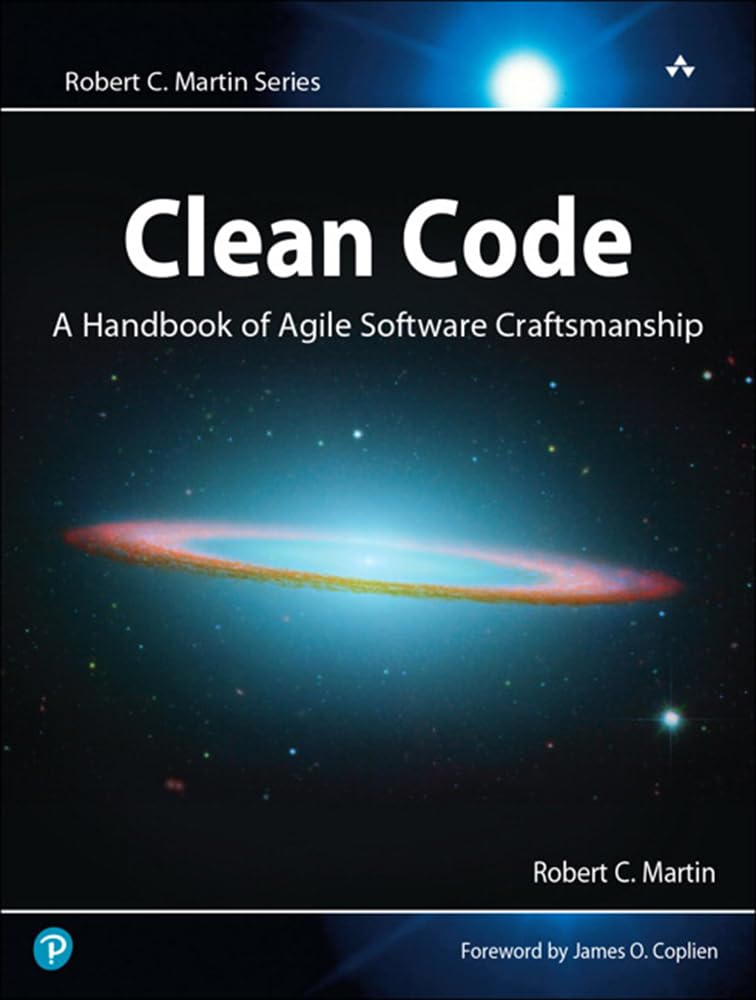
Author: Robert C. Martin (Uncle Bob)
What Will You Learn?
- Clean Code emphasizes writing high-quality, maintainable code.
- It offers best practices for naming variables, structuring code, and error handling.
- Teaches key principles like Single Responsibility Principle (SRP), Don’t Repeat Yourself (DRY), and effective refactoring techniques.
How It Can Help Your Career
Mastering clean code principles enables faster feature delivery and reduces technical debt. Writing readable and well-structured code is a hallmark of a professional software engineer and can make you stand out in coding interviews and team collaborations. This knowledge can also pave the way toward leadership roles, as you become recognized for your code quality standards.
2. Head First Design Patterns: Understanding Core Software Patterns
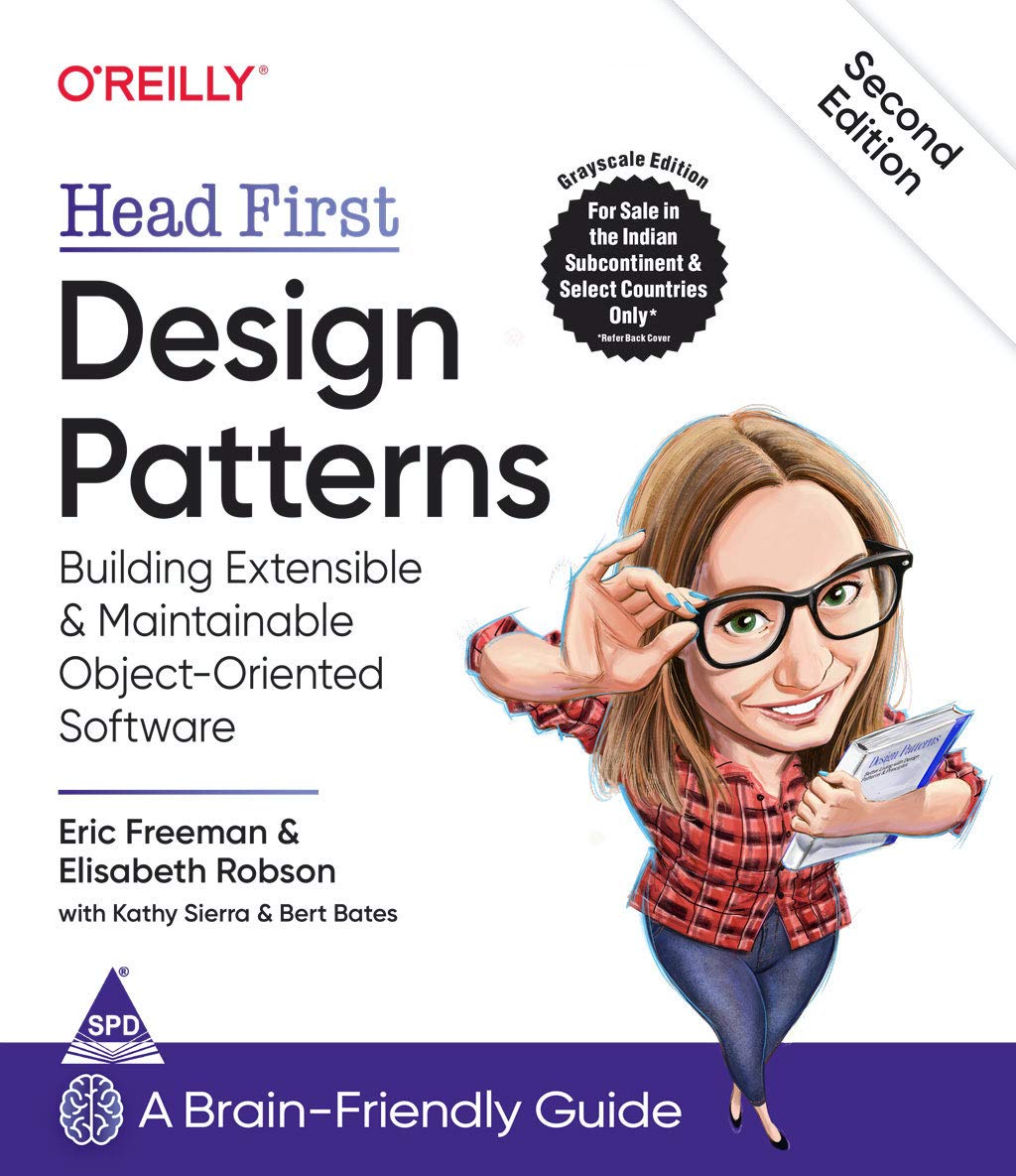
Authors: Eric Freeman, Elisabeth Robson, Bert Bates, Kathy Sierra
What Will You Learn?
- An engaging, visually-rich guide to fundamental design patterns used in software development.
- Covers common patterns like Strategy, Observer, and Singleton.
- Helps you identify coding problems and apply the appropriate design pattern solutions.
How It Can Help Your Career
Design patterns are a frequent topic of technical interviews and essential for building scalable, maintainable applications. Understanding these patterns improves your ability to write flexible code and communicate architectural decisions with your peers efficiently.
3. Designing Data-Intensive Applications: Mastering Scalable Systems
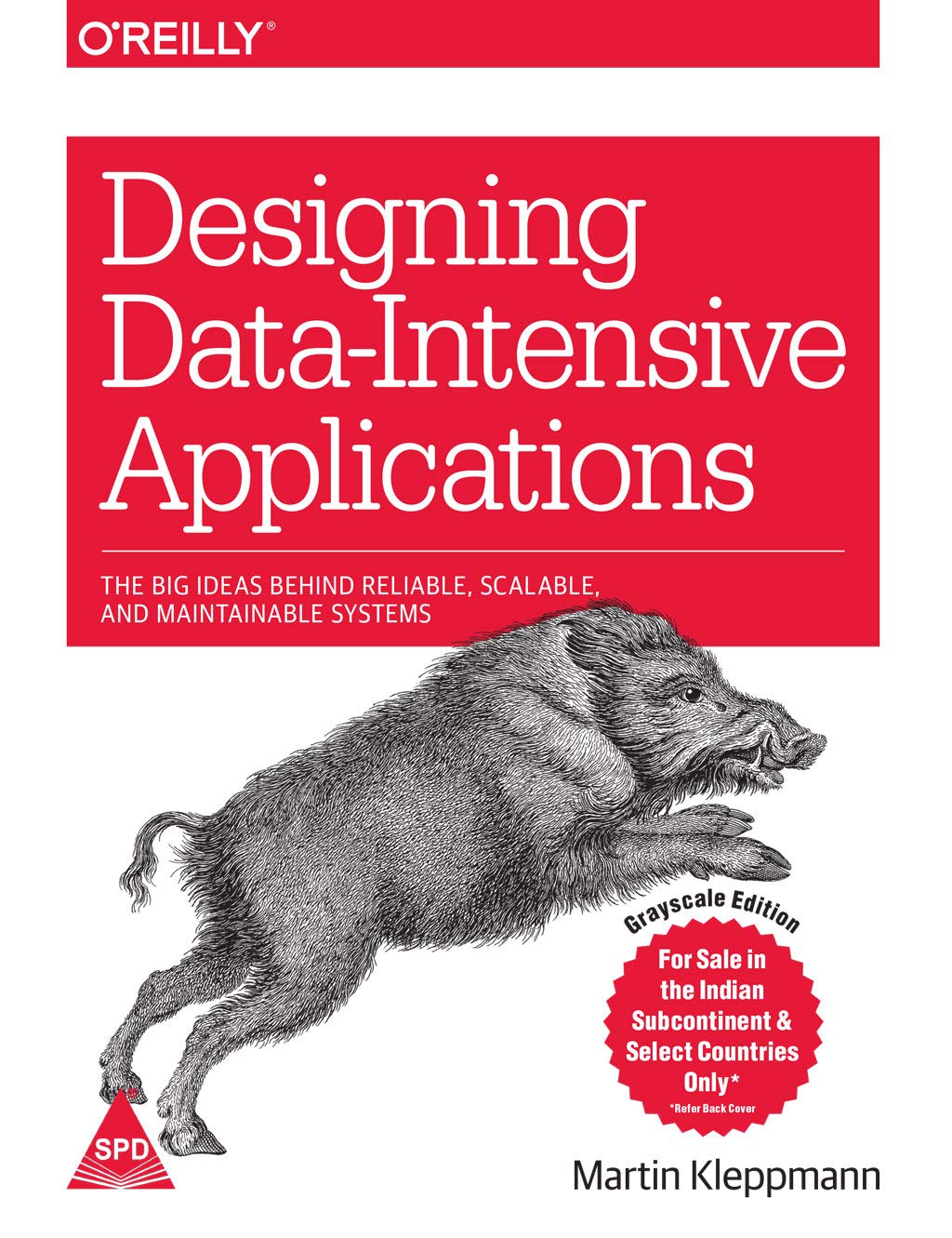
Author: Martin Kleppmann
What Will You Learn?
- How to build systems that handle large volumes of data reliably and efficiently.
- In-depth explanations of data modeling, database internals, distributed systems, transactions, and scalability.
- Concepts like replication, partitioning, and consistency explained clearly.
How It Can Help Your Career
Data volumes in organizations are constantly increasing, making expertise in designing data-intensive systems a vital skill. This book is especially useful for preparing for system design interviews where you must address challenges related to scalability, performance, and fault tolerance.
4. Building Microservices: Designing Modern Distributed Systems
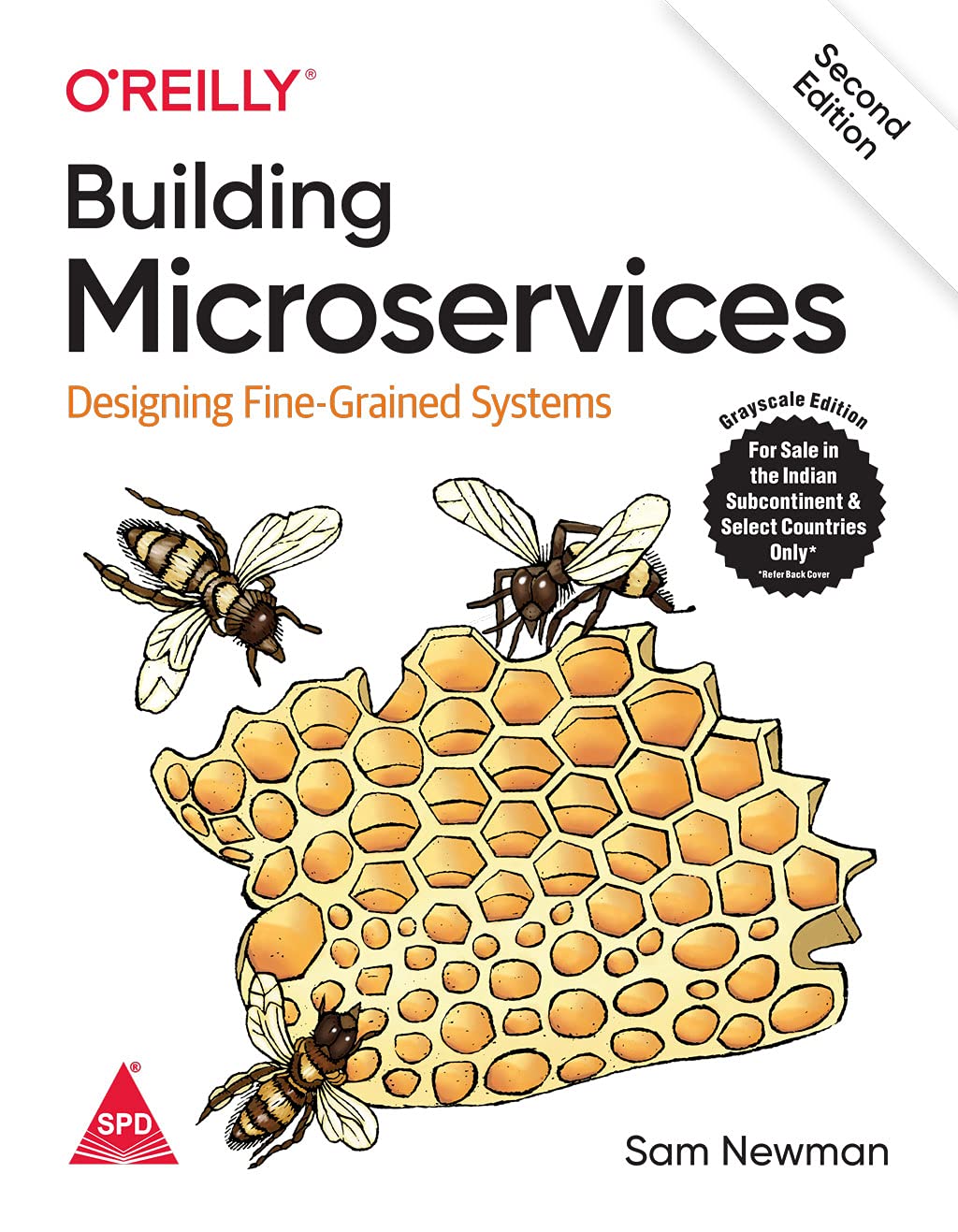
Author: Sam Newman
What Will You Learn?
- Fundamentals of microservices architecture and its benefits.
- Service boundaries, communication patterns (synchronous and asynchronous), testing strategies, deployment, and monitoring.
- Organizational structures that support microservices development.
How It Can Help Your Career
Many modern tech companies have adopted microservices as their architectural standard. Understanding how to break monolithic applications into microservices and manage the complexities involved is crucial for senior engineering roles and architectural interviews.
5. Designing Web APIs: Building Robust and User-Friendly Interfaces
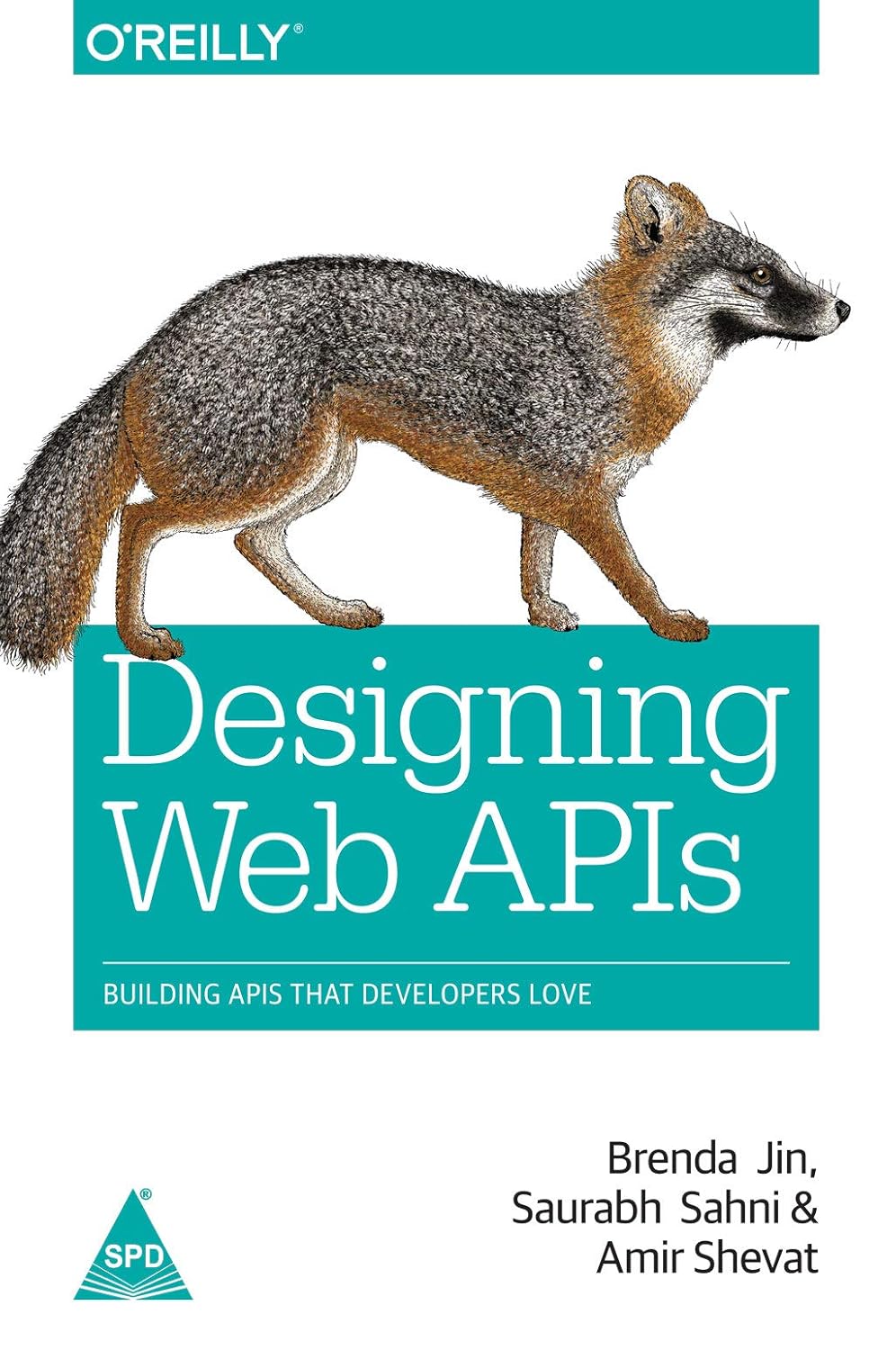
Author: Brenda Jin, Saurabh Sahni, Amir Shevat
What Will You Learn?
- How to design and document APIs that are reliable, scalable, and easy to use.
- Best practices for API versioning, authentication, rate limiting, and data formats like JSON and XML.
- Collaboration techniques for involving stakeholders in API design, with real-world case studies.
How It Can Help Your Career
APIs are the backbone of modern software ecosystems. Whether creating internal or public APIs, mastering API design increases your value as a developer. It also prepares you to answer interview questions related to RESTful or GraphQL APIs, security, and integration strategies.
Why These Books Matter for Every Software Engineer
These five books collectively cover the core competencies required to excel in software engineering:
- Writing clean, maintainable code
- Using design patterns to solve common problems
- Designing scalable, data-intensive applications
- Architecting microservices in modern distributed systems
- Building robust APIs for seamless communication between software components
By mastering these topics, you build a strong foundation that is applicable across industries and technologies, making you a versatile and highly employable engineer.
Additional Recommendations and Final Thoughts
While these are my top five recommendations, the world of software engineering literature is vast and ever-growing. I encourage you to explore other titles that might align with your specific interests or technology stacks.
Please share your favorite software engineering books in the comments! I’m always eager to discover new reads and expand my knowledge.
Thank you for reading! If you found this helpful, consider subscribing for weekly insights on software engineering and system design. Feel free to reach out with questions or suggestions.
Frequently Asked Questions (FAQ)
Q1: Are these books suitable for beginners?
Yes, although some books, like Designing Data-Intensive Applications, dive deep into complex topics, they are written in an accessible manner. Beginners can benefit greatly, especially when combined with hands-on practice.
Q2: Can these books help me prepare for technical interviews?
Absolutely. Many software engineering interviews, especially system design rounds, focus on concepts covered in these books, including clean coding, design patterns, scalable architectures, and API design.
Q3: Do I need to read these books in order?
Not necessarily. Each book focuses on a different aspect of software engineering. Depending on your current role or interests, you can prioritize the book that addresses your immediate needs.
By diving into these five books, you’ll equip yourself with timeless knowledge and practical skills that enhance your software engineering journey and career growth. Happy reading!